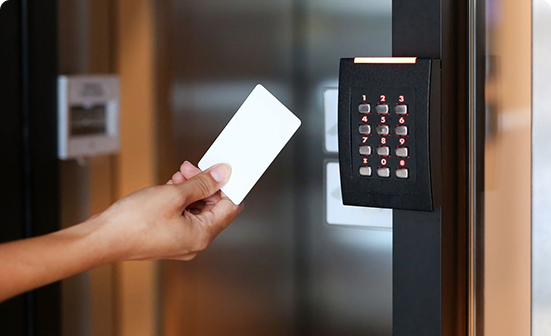
Choosing between wired vs wireless home security systems is not always easy. Both can protect a home, but they work differently and suit different situations. Your house, budget, installation plans, maintenance preferences, and interest in smart-home features all matter.
Research from Rutgers University found that homes with burglar alarms were less attractive to potential intruders. The study also found fewer residential burglaries in neighborhoods with more alarm systems. So the question is not just whether you need security. It is which setup makes sense for your home.

A wired home security system, also known as a hardwired security system, uses physical cables to connect sensors, keypads, cameras, and other equipment.
This type of setup can work especially well in a new home or a property that already has security wiring. The connection is stable, and you usually do not have to keep changing batteries in every sensor.
There is a catch, though. Installing the cables can mean opening walls, working through ceilings, or using crawl spaces. Retrofitting an older finished home can therefore take more work and may cost more.
Johns Brothers Security provides customized residential security solutions based on a property’s layout and security needs.
A wireless home security system sends information between devices and the control panel without running physical cables between them. Depending on the setup, you might have door and window sensors, motion detectors, smart locks, cameras, and phone controls.
Installation is usually simpler. You can also add another sensor or device later without having to run a new cable through the house. That can be handy in a finished home, especially when your security needs change over time.
Johns Brothers Security’s Smart Package includes wireless door locks, sensors, automation, and real-time smartphone alerts.
And “wireless” does not always mean the alarm depends only on your home Wi-Fi. Johns Brothers’ smart alarm system uses secure cellular communication and also supports smart-home and video features.
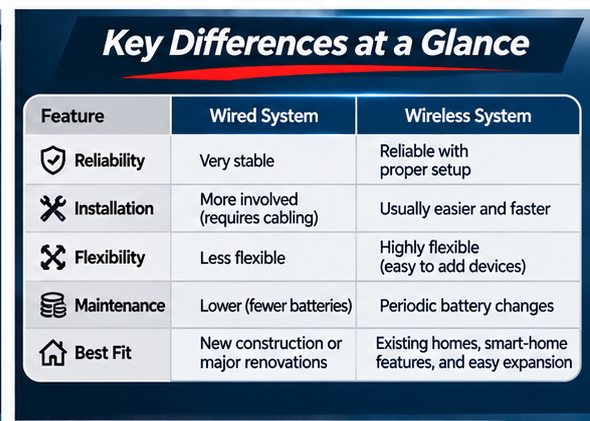
A wired system generally gives you a stable connection and fewer batteries to worry about. Wireless systems give you more freedom with placement, but the batteries still need attention. The wireless connection also needs to stay secure.
The Federal Trade Commission recommends using strong passwords, keeping software updated, using encryption, and securing Wi-Fi with WPA3 or WPA2 for connected security cameras.
Wired systems can require professional installation and physical cabling. That makes them a practical option during new construction or a major renovation, when running wires is already part of the work.
Wireless systems are usually easier to put in. Adding another sensor later is easier too.
The FTC recommends thinking about your actual security needs before choosing a system. Today’s setups can include intrusion alarms, video surveillance, smoke detection, carbon monoxide monitoring, and other connected features.

A wired system may be a good fit when you are building a home or already have security wiring in place. It can also suit homeowners who want a more permanent setup and would rather deal with fewer battery-powered sensors.
A wireless system may work better if easy installation is a priority. It can also make sense if you want smartphone access, smart-home automation, flexible sensor placement, or the option to add equipment later.
If cameras, smart locks, video analytics, or automation are on your list, you can look at Johns Brothers Security’s security system features and equipment.
There is no single answer in the wired security system vs wireless security system comparison. Sometimes, the best setup uses both. A professionally designed system can combine wired and wireless equipment instead of forcing you to choose only one.
Johns Brothers Security has provided security solutions for homes and businesses for more than 50 years. It also offers 24/7/365 monitoring throughout its service areas in Virginia and North Carolina.
A professional security assessment can help you figure out what your home actually needs, from sensors and alarms to cameras, monitoring, and smart features.
Neither is always better. Wired systems offer stable connections and less battery maintenance. Wireless systems are easier to install, expand, and connect with smart-home features.
Wired cameras are often a better choice for continuous, reliable surveillance. Wireless cameras can be more convenient when you need flexible placement, easier installation, and remote access.
Wired systems are generally less exposed to wireless interference. A properly configured wireless system can also provide strong security when it uses encryption, updated software, and secure Wi-Fi settings.

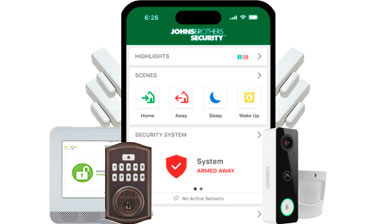
Our most complete package features protection, automation, and video delivered to your smartphone.
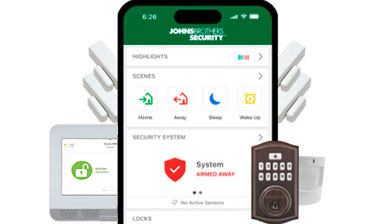
Our most popular smart security package features more than protection – it’s your pathway to home automation.
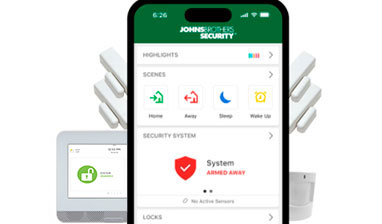
The essential security package features affordable protection with a wireless connection.
Get a free consultation and the latest smart home security tips & tricks
Quicklinks
Residential Solutions
Commercial Solutions
Corporate Headquarters
Richmond Office
Outer Banks Office
Carrollton Office
Lynchburg Office
Hawk Security Systems, Inc.


DCJS #11-1918 | NC #490218 CSA
Privacy Policy
Copyright © 2026 Johns Brothers Security. All Rights Reserved.