Planning a trip or own property in the OBX? Discover the truth about Outer Banks crime rates and learn how to secure your vacation home against potential risks.
The Outer Banks draws millions of visitors every year precisely because it feels untouched, unhurried, and safe – but that perception deserves a much closer look for anyone who owns property there.
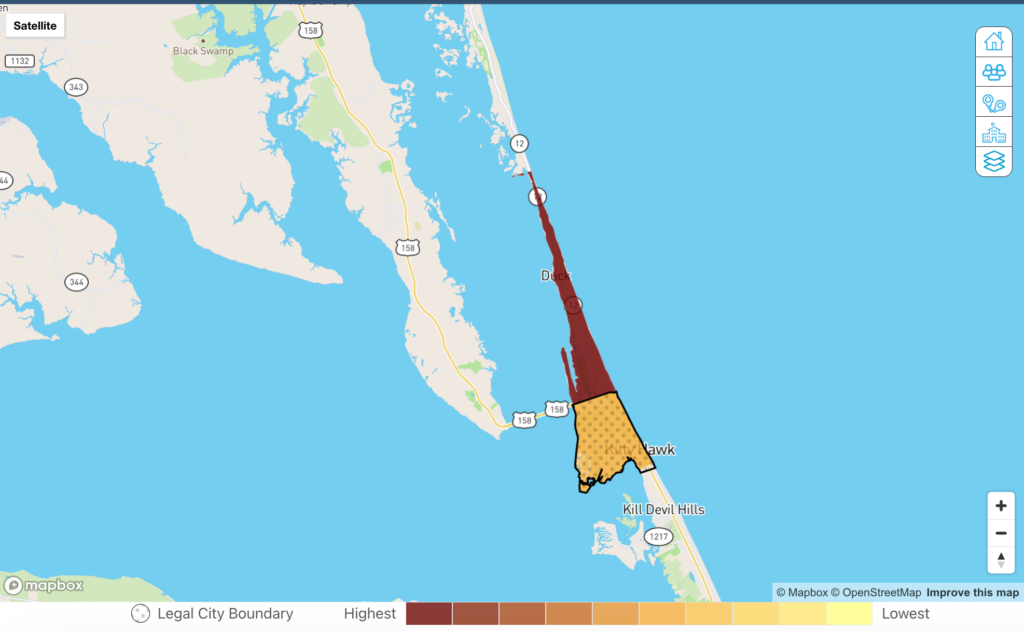
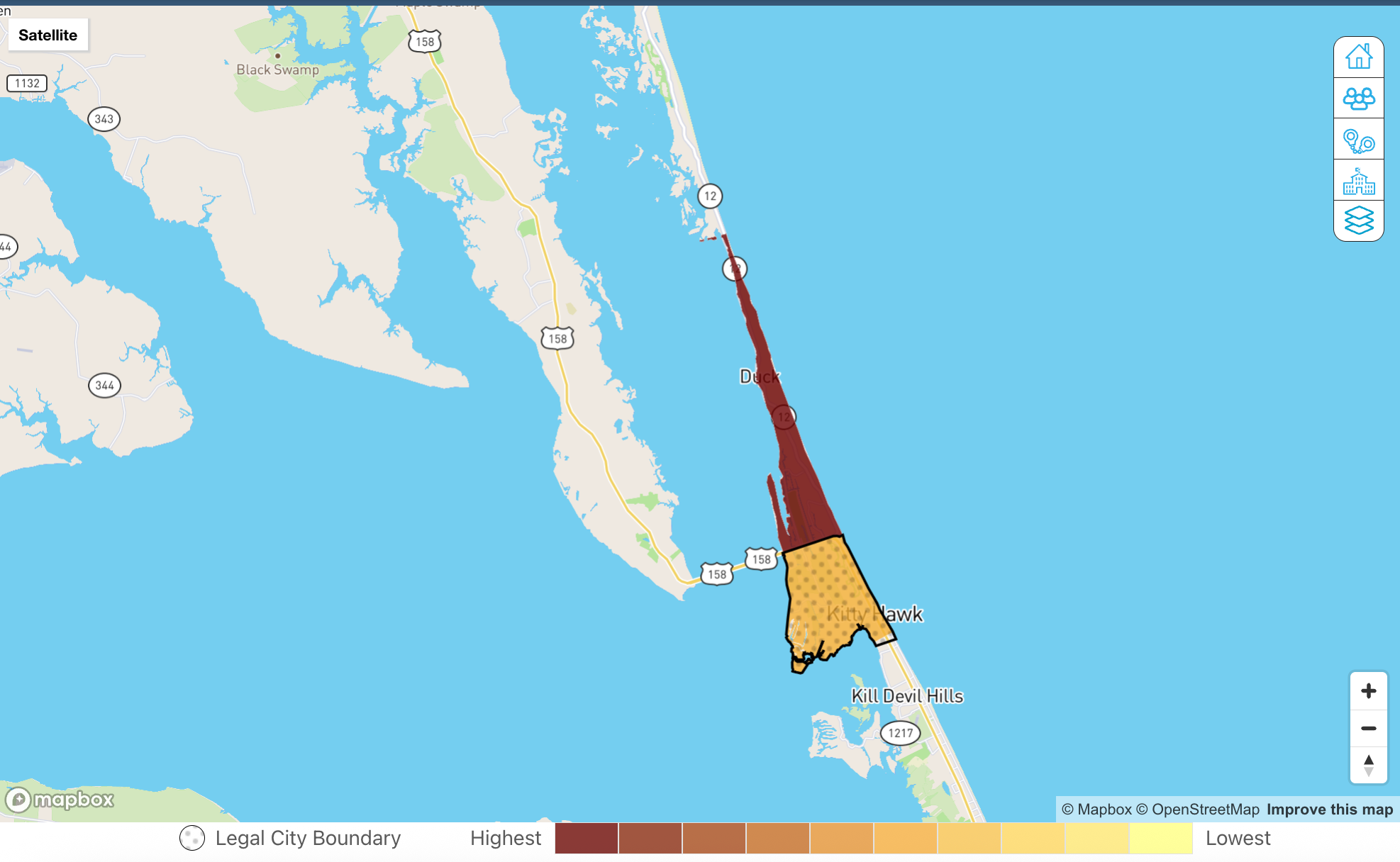
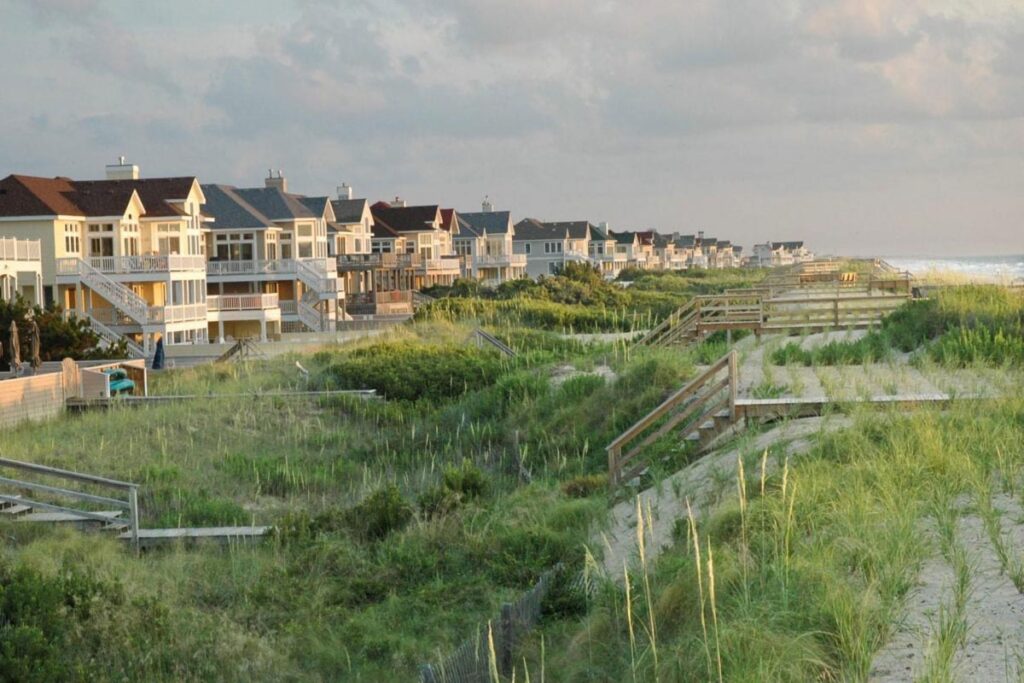
The outer banks crime rate tells a nuanced story that rarely makes it into vacation brochures. On the surface, violent crime across Dare County remains genuinely low. The NC DPS Dare County Violence Profile reflects a community where serious violent offenses are statistically uncommon – and that part of the reputation holds up. For vacationers spending a week on the beach, the OBX is, by most measures, a welcoming and peaceful destination.
The real threat isn’t violence – it’s the assumption that an empty home is an invisible one.
What changes the equation dramatically is property ownership without year-round presence. According to Johns Brothers Security, property crimes like theft, trespassing, and vandalism are the primary concerns for non-resident owners. A vacant rental property off-season isn’t just unoccupied – in practice, it signals opportunity to those who pay attention to patterns. Research from Slippery Rock University confirms a well-documented connection between vacant housing and increased criminal activity in surrounding areas. The OBX, with its dramatic swings between peak-season crowds and near-empty winter months, creates exactly the kind of vacancy cycle that raises risk for absentee owners.
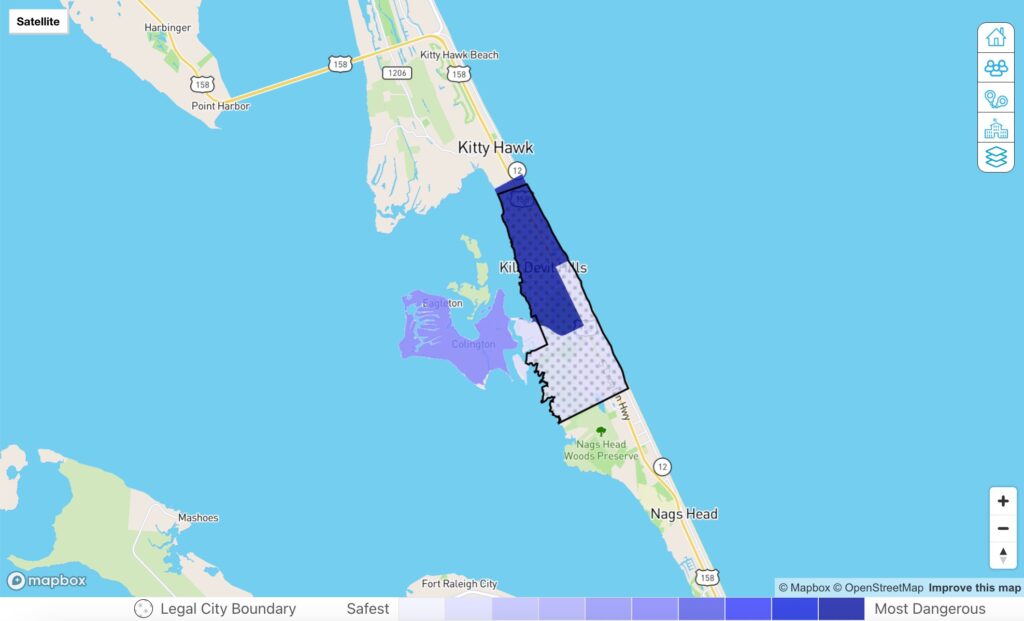
Raw crime statistics rarely tell the whole story – and for anyone asking “is the Outer Banks safe,” understanding why certain towns show higher numbers is just as important as the numbers themselves.
Kill Devil Hills and Nags Head consistently report more incidents than northern communities like Duck or Corolla, but that gap is largely a function of population density, not danger. According to Johns Brothers Security Outer Banks Location, these two towns show higher stats simply because they support a larger year-round residential base. More permanent residents means more reported interactions, more domestic incidents, and more everyday opportunistic crime – the kind that has nothing to do with vacation properties.
Vacation homes in resort communities are uniquely vulnerable because their emptiness follows a schedule – and experienced burglars know that schedule well.
The absence of activity is the loudest signal a property can send. Criminals conducting reconnaissance look for what security professionals call “dark house” indicators: no tire tracks in a sandy driveway, an overflowing mailbox, lights that never change, and trash cans that never move. These details communicate one thing clearly – nobody is home, and nobody will be home for a while. In a community like Kill Devil Hills, where the kill devil hills crime rate for property crime outpaces the national average, these visual cues actively invite opportunistic theft.
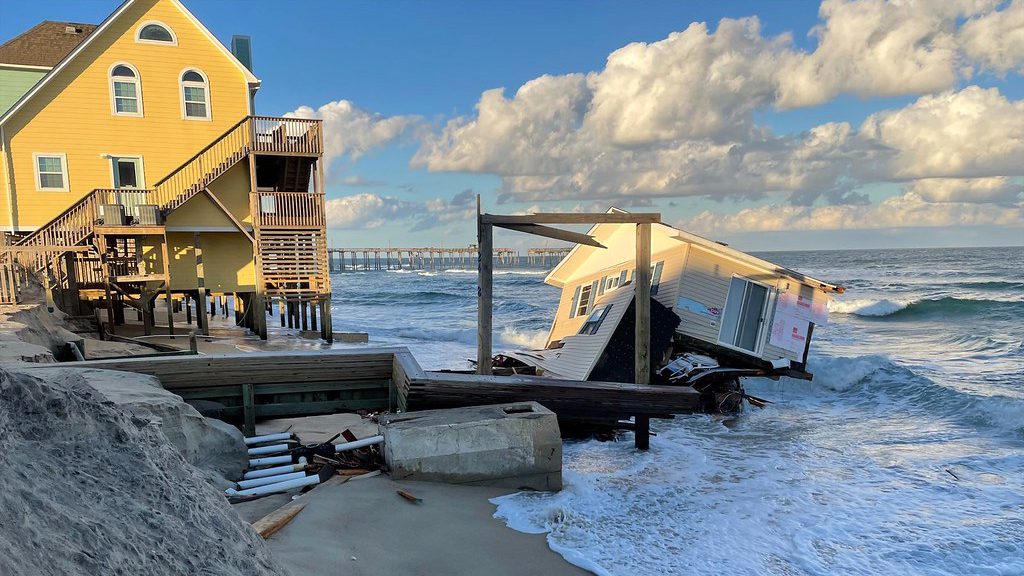
Focusing only on theft dramatically underestimates the real threats facing a vacant OBX property – because nature can do far more damage than any burglar.
Water damage and freezing pipes routinely cause greater financial loss than a break-in, and for owners watching the nags head crime rate, this reality often goes unaddressed. A burst pipe in an unoccupied home can release hundreds of gallons of water before anyone notices. By the time a neighbor spots the problem or a property manager swings by, the hardwood floors are warped, the drywall is saturated, and the repair estimate is climbing past what most theft claims ever reach. According to Johns Brothers Security, environmental risks like water leaks and freezing pipes can cause more damage than a burglar – a fact that tends to surprise first-time vacation home owners.
Coastal conditions compound these risks significantly. The Outer Banks sits in one of the most environmentally aggressive environments on the East Coast. Salt-laden air accelerates corrosion, storm surges can push water under doors and through crawl spaces, and even a brief nor’easter can leave a vacant home with moisture problems that fester for weeks undetected. Unlike a broken window, humidity damage is invisible – until it becomes a mold remediation project.
The right vacation home alarm system doesn’t just detect problems – it prevents them, giving distant owners real-time visibility into a property they may not visit for months.
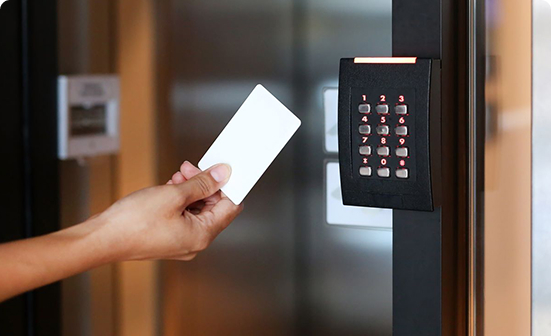
Smart locks are the single most practical upgrade an OBX vacation homeowner can make. The traditional “hidden key under the mat” approach is a well-known vulnerability, especially in high-turnover rental markets where dozens of guests may cycle through a property each season. Smart door locks eliminate that risk entirely by generating unique, time-limited access codes for each renter. Codes expire automatically at checkout, meaning there’s no lingering key in the wrong hands and no locksmith bill when a guest fails to return one. Understanding how access control works at a practical level makes it clear why this technology has become standard in professionally managed coastal rentals.
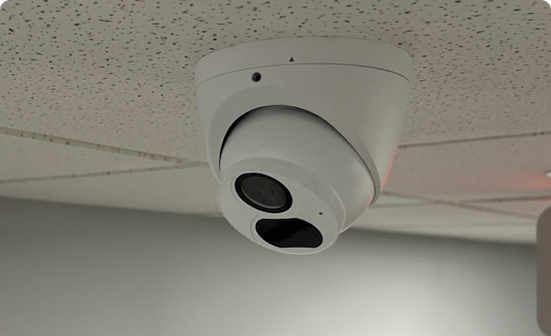
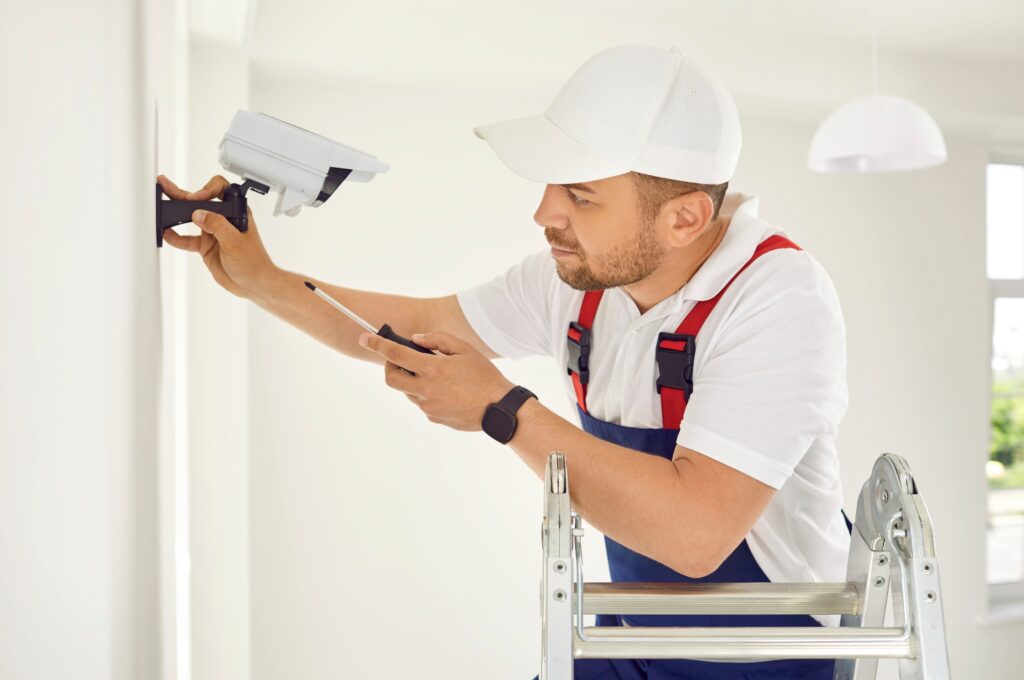
Perimeter sensors and doorbell cameras form the first line of off-season defense. As noted in the Johns Brothers Security Guide, these devices allow owners to monitor their property remotely from their primary residence – whether that’s Richmond, Baltimore, or anywhere else along the I-95 corridor. A motion-activated camera that pings a smartphone at 2 a.m. is a fundamentally different tool than a passive alarm that relies on a neighbor noticing something is wrong.
Protecting an Outer Banks vacation home requires layering the right strategies – because no single measure covers every vulnerability a coastal property faces.
Property crime remains the dominant threat to OBX vacation homes, and vacancy is the single biggest factor that elevates risk. As covered earlier in this article, research from Slippery Rock University confirms that vacant properties attract significantly more criminal attention than occupied ones. During the long off-season stretches between rental bookings, that risk compounds with every week a property sits dark and quiet.
Local monitoring is a meaningful advantage, not a marketing point. According to Johns Brothers Security Research, local monitoring translates directly to faster action – and faster law enforcement coordination – than remote DIY alternatives can reliably deliver.
The gold standard remains consistent: a property that looks lived-in, backed by 24/7 professional monitoring, creates compounding deterrence that neither element achieves alone. Understanding this full picture is what separates reactive owners from genuinely protected ones – and that distinction matters most when you’re hundreds of miles away.
The Outer Banks presents a genuine paradox: the very qualities that make it breathtaking – seasonal crowds, remote stretches of coastline, and a high concentration of vacant vacation homes – also create conditions that opportunistic criminals are trained to exploit. Owning a piece of this coastline is a privilege, but protecting it requires deliberate, layered action.
The single costliest mistake vacation homeowners make is waiting. A break-in doesn’t just mean a stolen TV or a damaged door frame. It means insurance claims, delayed rental bookings, shaken guests, and a sense of violation that lingers long after the repair bills are paid. In practice, the homeowners who avoid that outcome are the ones who assess their vulnerabilities before something goes wrong – not after.
Don’t leave your investment to chance. Schedule a free coastal property evaluation through Johns Brothers Security and get a clear picture of where your Outer Banks home stands – and exactly what it takes to keep it safe.
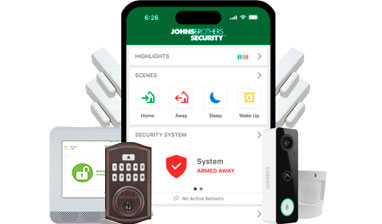
Our most complete package features protection, automation, and video delivered to your smartphone.
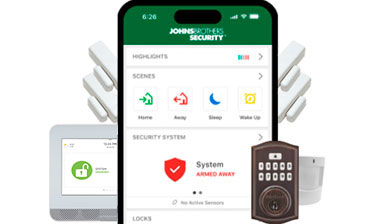
Our most popular smart security package features more than protection – it’s your pathway to home automation.
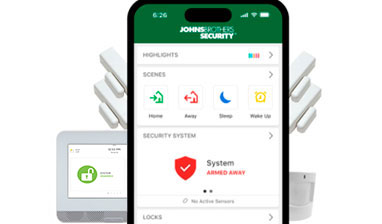
The essential security package features affordable protection with a wireless connection.
Get a free consultation and the latest smart home security tips & tricks
Quicklinks
Residential Solutions
Commercial Solutions
Corporate Headquarters
Richmond Office
Outer Banks Office
Carrollton Office
Lynchburg Office
Hawk Security Systems, Inc.


DCJS #11-1918 | NC #490218 CSA
Privacy Policy
Copyright © 2026 Johns Brothers Security. All Rights Reserved.