If you have a monitored alarm system in Virginia, the “hardware” is only half the equation. The other half is compliance: permits, registrations, renewal cycles, and false alarm rules that can change by city. This matters because repeated false alarms can trigger fees, and in some cities can escalate into enforcement steps that make response slower, more expensive, or more complicated.
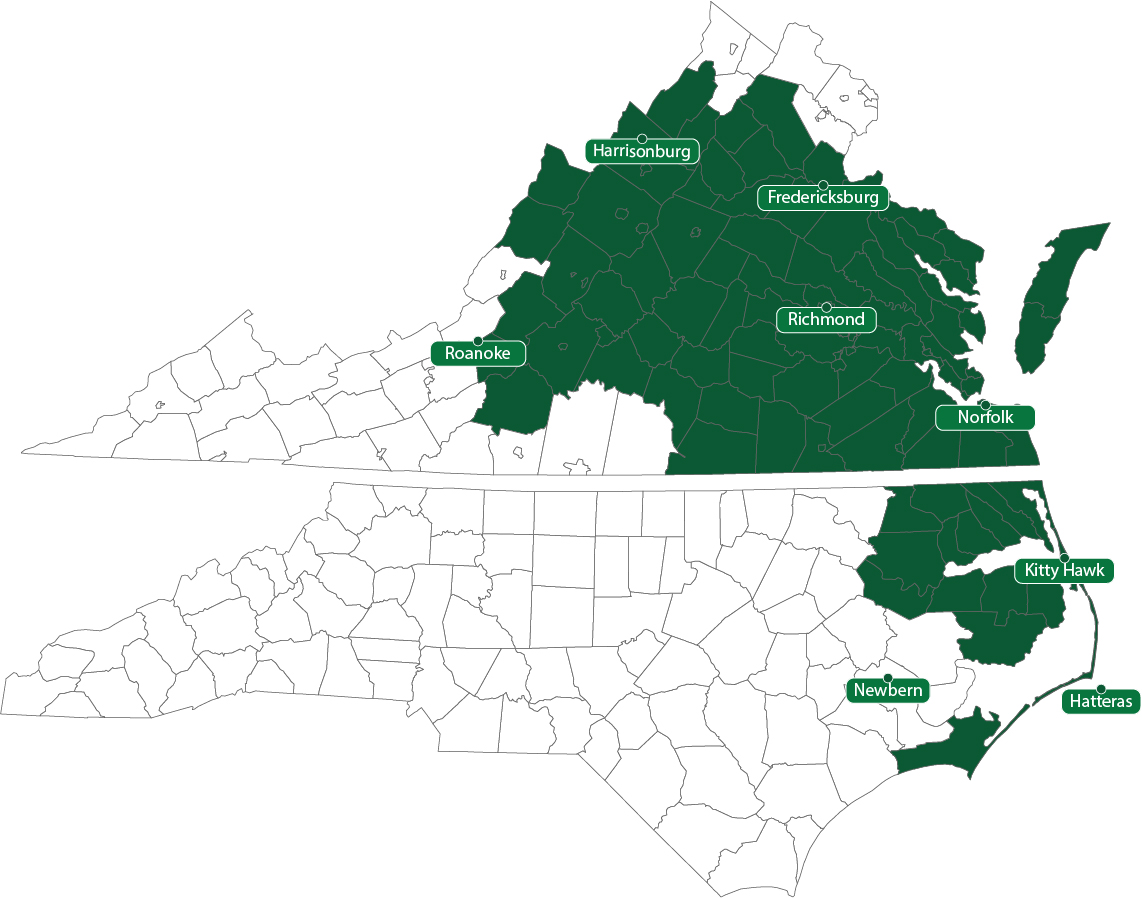
Below is a practical, city-by-city breakdown for major Virginia markets that Johns Brothers commonly overlaps with. Ordinances can change, so treat this as a working guide and confirm before install or takeover.
Alarm permit or alarm registration: Usually a local record that connects an address to responsible parties and a monitoring company.
False alarm: Generally any alarm dispatch where there is no actual emergency or crime in progress. Cities define this in slightly different ways.
Service fee vs fine: Some cities call it a “service charge” or “service fee,” others treat it like a civil penalty.
§ 15.2-911. Regulation of alarm company operators

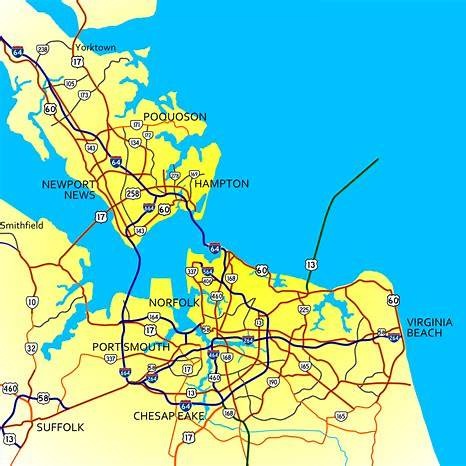


Note: Newport News and Portsmouth can have fees or internal policies, but official alarm-permit ordinance pages were not as easy to confirm quickly from authoritative sources in this pass. If Johns Brothers is actively installing in those cities, the fastest path is usually the city code library, police records unit, or a dedicated “false alarm” page if one exists.
Use this as a simple process on every install or takeover.
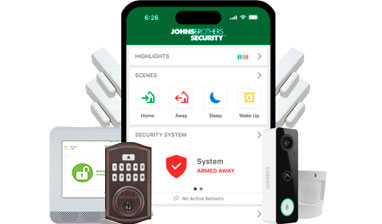
Our most complete package features protection, automation, and video delivered to your smartphone.
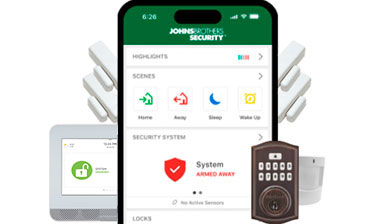
Our most popular smart security package features more than protection – it’s your pathway to home automation.
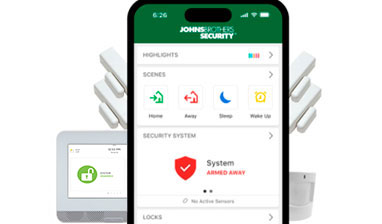
The essential security package features affordable protection with a wireless connection.
Get a free consultation and the latest smart home security tips & tricks
Quicklinks
Residential Solutions
Commercial Solutions
Corporate Headquarters
Richmond Office
Outer Banks Office
Carrollton Office
Lynchburg Office
Hawk Security Systems, Inc.


DCJS #11-1918 | NC #490218 CSA
Privacy Policy
Copyright © 2026 Johns Brothers Security. All Rights Reserved.